

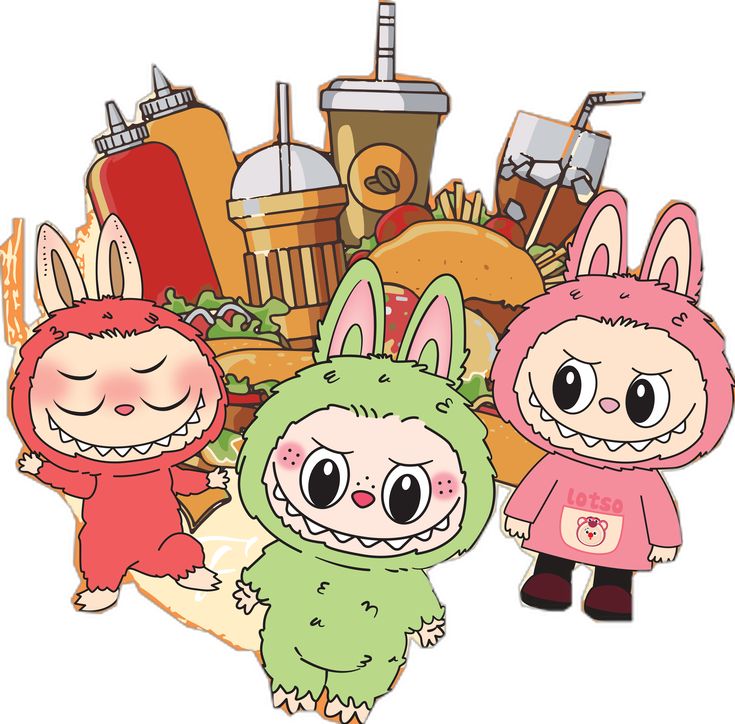
In the vibrant world of pop-toys, few characters have captured global imaginations quite like Labubu, the mischievous, fuzzy monster from Hong Kong artist Kasing Lung, propelled to fame by Pop Mart’s savvy blind-box marketing. With its “cute-but-quirky” aesthetic and a staggering $400 million in revenue for Pop Mart’s THE MONSTERS series in 2024 (up 726% year-on-year), Labubu has become a cultural and economic juggernaut. But it’s not alone in the pop-toy arena. Across the globe, brands like Funko, KAWS, TOKIDOKI, and others are riding the same wave of collectible frenzy, blending artistry, scarcity, and social media hype. Let’s explore the global pop-toy brands that echo Labubu’s success, their unique flavors, and what they reveal about the booming collectible culture.
1. Pop Mart’s Other Stars: Molly, Dimoo, and Beyond
Key IPs: Molly, Dimoo, SKULLPANDA, Pucky
Pop Mart, the Chinese powerhouse behind Labubu, has a roster of IPs that share its blind-box DNA. Molly, a wide-eyed girl with an artist’s vibe, and Dimoo, a whimsical animal character, are among the brand’s heavy hitters, appealing to Gen Z’s love for cute aesthetics and emotional connection.
- What They Do Well: Like Labubu, these IPs thrive on limited-edition releases and storytelling (e.g., SKULLPANDA’s dark, edgy narrative). Pop Mart’s global expansion—stores in Japan, Southeast Asia, and the West—mirrors Labubu’s international success, with fans snapping up rare figures in frenzied queues.
- How They Compare: While Labubu’s “ugly-cute” elf aesthetic stands out, Molly leans into classic cuteness, and SKULLPANDA taps into a gothic vibe. Labubu’s global hype, fueled by celebs like Blackpink’s Lisa, gives it an edge in viral appeal.
- Why It Matters: Pop Mart’s portfolio shows how a single brand can dominate through diverse IPs, all unified by scarcity-driven blind-box mania.
2. Funko: The King of Pop Culture Collectibles
Key IP: Funko Pop! series (Marvel, Star Wars, Disney, etc.)
Funko, the American giant, rules the pop-toy market with its iconic big-headed Funko Pop! figures, covering everything from superheroes to TV icons. With $1 billion in global sales in 2023, Funko’s reach is massive, especially in North America.
- What They Do Well: Funko’s strength lies in its vast IP licensing (think Marvel, Star Wars) and affordable pricing ($10–$30), making it accessible to all ages. Limited editions, like Comic-Con exclusives, drive collector mania, much like Labubu’s rare drops.
- How They Compare: Both Funko and Labubu capitalize on scarcity and fan frenzy, but Funko relies heavily on licensed IPs, while Labubu is an original creation with a distinct narrative (Nordic elf-inspired). Labubu’s Gen Z focus contrasts with Funko’s broader demographic.
- Why It Matters: Funko’s dominance shows how pop culture tie-ins can fuel a collectible empire, but Labubu’s originality highlights China’s rising creative clout.
3. TOKIDOKI: Colorful Whimsy with a Japanese Twist
Key IPs: Unicorno, Moofia, Cactus Friends
Founded by Italian-American artist Simone Legno, TOKIDOKI blends Japanese kawaii aesthetics with Western pop culture, creating vibrant, fantastical characters. Popular in the U.S. and Japan, its blind-box figures and collaborations (e.g., Hello Kitty) resonate with art-driven fans.
- What They Do Well: TOKIDOKI’s artist-led designs echo Labubu’s creator-driven appeal, with blind-boxes and limited editions sparking collector excitement. Its colorful, playful style appeals to a niche yet loyal audience.
- How They Compare: Both brands emphasize original IPs and artistic vision, but TOKIDOKI’s Japanese-inspired cuteness contrasts with Labubu’s mischievous edge. Labubu’s global virality, amplified by social media, outpaces TOKIDOKI’s more cult-like following.
- Why It Matters: TOKIDOKI proves that artist-driven IPs can carve a niche in the global market, but Labubu’s broader appeal shows the power of social media momentum.
4. KAWS: Where Street Art Meets High-End Collectibles
Key IPs: Companion, BBI, Open Edition
American artist Brian Donnelly’s KAWS is a titan in the street-art-meets-pop-toy world, with its signature “XX” eyed figures fetching millions at auctions (e.g., a Companion sold for $2 million in 2024).
- What They Do Well: KAWS blends street cred with high-art appeal, targeting affluent collectors and hypebeasts alike. Limited-edition drops and brand collabs (e.g., Dior) mirror Labubu’s scarcity tactics, with both seeing jaw-dropping auction results (Labubu’s mint green figure hit 1.242 million RMB in 2025).
- How They Compare: KAWS and Labubu both leverage artist-driven IPs and auction hype, but KAWS targets a luxury market, while Labubu appeals to a broader, younger audience. Labubu’s emotional storytelling contrasts with KAWS’ minimalist, abstract vibe.
- Why It Matters: KAWS shows how pop-toys can transcend toys to become art, a path Labubu is now treading with its record-breaking auction.
5. 52TOYS: China’s Dark Horse
Key IPs: CRYBABY, BEASTBOX
China’s 52TOYS is an emerging player, known for its dark, mechanical BEASTBOX series and emotional CRYBABY figures. With nearly 1 billion RMB in revenue in 2024 (up 44.7%), it’s a rising star eyeing an IPO.
- What They Do Well: Like Pop Mart, 52TOYS uses blind-boxes and original IPs to tap into Gen Z’s psyche, with BEASTBOX offering a unique sci-fi edge. Its Southeast Asian growth aligns with Labubu’s regional success.
- How They Compare: Both brands are Chinese originals with global ambitions, but Labubu’s “ugly-cute” charm contrasts with 52TOYS’ darker, tech-heavy aesthetic. Labubu’s celebrity-driven hype gives it a global lead.
- Why It Matters: 52TOYS highlights China’s growing influence in the pop-toy market, following Labubu’s blueprint for global expansion.
6. TOPTOY: The Accessible Challenger
Key IPs: Astro Boy collabs, Bearbrick-inspired series
Backed by MINISO, TOPTOY is China’s budget-friendly pop-toy brand, focusing on licensed IPs (e.g., Astro Boy, Disney) and blind-boxes. It matched 52TOYS with 1 billion RMB in 2024 revenue.
- What They Do Well: TOPTOY’s affordable pricing and MINISO’s retail network make it widely accessible, much like Labubu’s mass appeal. Its Southeast Asian growth mirrors Pop Mart’s strategy.
- How They Compare: TOPTOY leans on licensed IPs, while Labubu’s originality sets it apart. Labubu’s social media dominance outshines TOPTOY’s offline retail focus.
- Why It Matters: TOPTOY shows how accessibility can drive market share, but Labubu’s cultural resonance gives it a stronger global footprint.
7. Bearbrick: Japan’s Minimalist Icon
Key IP: Bearbrick series
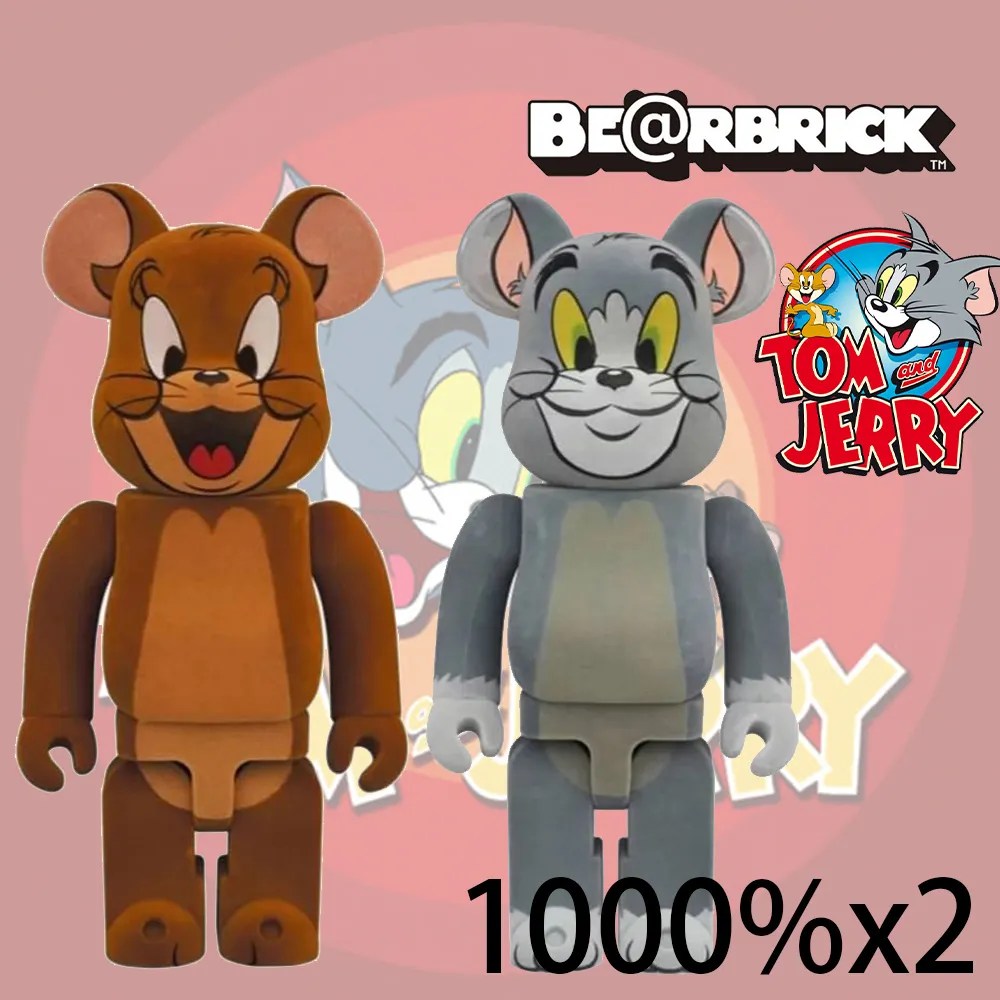
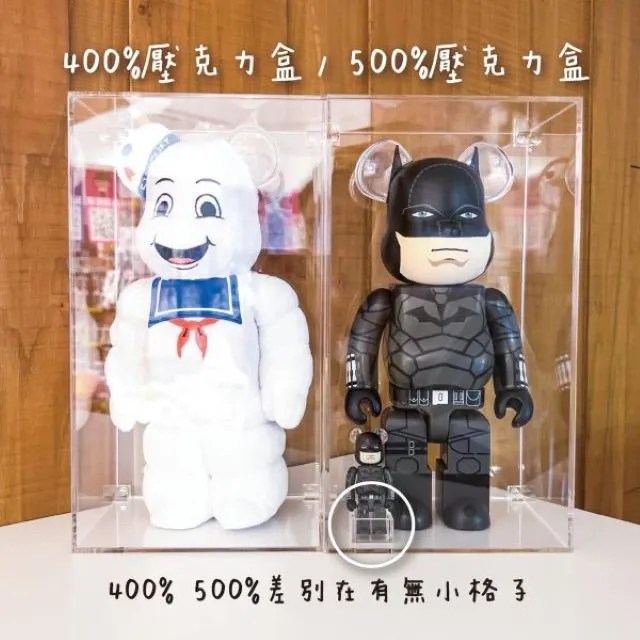
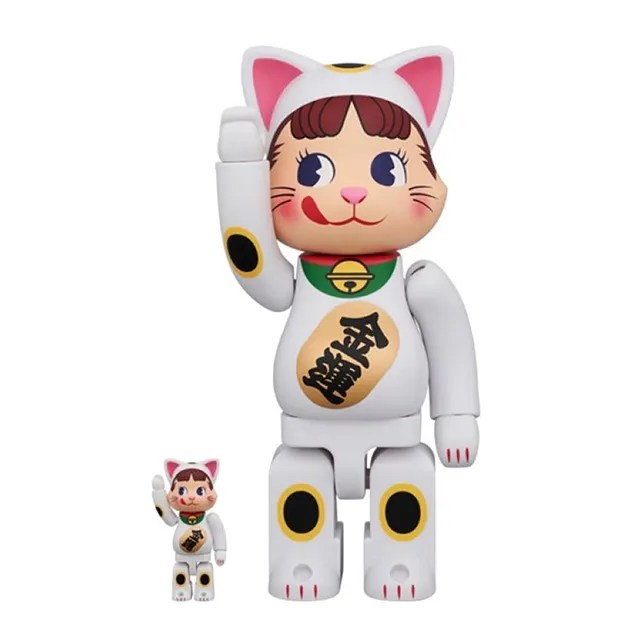
Medicom Toy’s Bearbrick, a bear-shaped figure with endless brand collabs (e.g., Chanel, Supreme), is a staple in street culture, with rare editions fetching tens of thousands at auction.
- What They Do Well: Bearbrick’s minimalist design and high-profile collaborations create collector frenzy, akin to Labubu’s limited-edition drops. Both brands shine in auction markets.
- How They Compare: Bearbrick’s abstract, versatile design contrasts with Labubu’s narrative-driven elf character. Bearbrick skews toward streetwear elites, while Labubu captures a broader youth market.
- Why It Matters: Bearbrick’s longevity proves the enduring appeal of simple yet iconic designs, a lesson for Labubu’s long-term growth.
What Sets These Brands Apart?
- Shared DNA: These brands thrive on scarcity (limited editions, blind-boxes), emotional resonance, and globalized marketing, often amplified by social media and celebrity endorsements (e.g., Labubu’s Lisa effect, Bearbrick’s Supreme collabs).
- Unique Flavors: Labubu’s “ugly-cute” Nordic elf vibe stands out against Funko’s licensed pop culture, KAWS’ high-art minimalism, TOKIDOKI’s kawaii flair, and 52TOYS’ sci-fi edge.
- Market Positioning: Labubu and Pop Mart IPs target Gen Z’s emotional needs, Funko and TOPTOY appeal to broader audiences, while KAWS and Bearbrick dominate the luxury/streetwear niche.
The Bigger Picture: Trends and Challenges
The rise of Labubu and its peers reflects a booming collectible culture driven by:
- Gen Z’s Emotional Quest: Pop-toys like Labubu offer “emotional value,” providing joy and belonging in a fast-paced world.
- Social Media Virality: Platforms like TikTok (e.g., Labubu’s #LabubuMakeover) and celebrity endorsements supercharge trends.
- China’s Cultural Ascent: Labubu, 52TOYS, and TOPTOY signal China’s shift from “made in China” to “created in China,” challenging Western and Japanese giants.
Challenges Ahead:
- Market Bubbles: Skyrocketing secondary market prices (e.g., Labubu’s 877% Macaron series premium) risk overheating.
- Counterfeits: Fake toys erode trust, a problem Labubu faces globally.
- Sustainability: Brands must innovate with fresh designs or deeper storytelling to avoid fading trends.
Looking Forward
Labubu’s success offers a playbook for pop-toy brands: blend unique design, scarcity, and digital hype to conquer global markets. As Chinese brands like 52TOYS and TOPTOY follow suit, and giants like Funko and Bearbrick expand in Asia, the pop-toy war is heating up. Labubu’s edge—its quirky charm, celebrity buzz, and auction triumphs (1.242 million RMB for a mint green figure)—positions it as a trailblazer. Whether you’re a collector or a curious onlooker, one thing’s clear: these tiny toys are making a massive impact. Got a favorite pop-toy brand? Drop it in the comments!
 Labubu Doll Hub | Your Guide to Cute Monster Toys & Blind Boxes
發佈留言