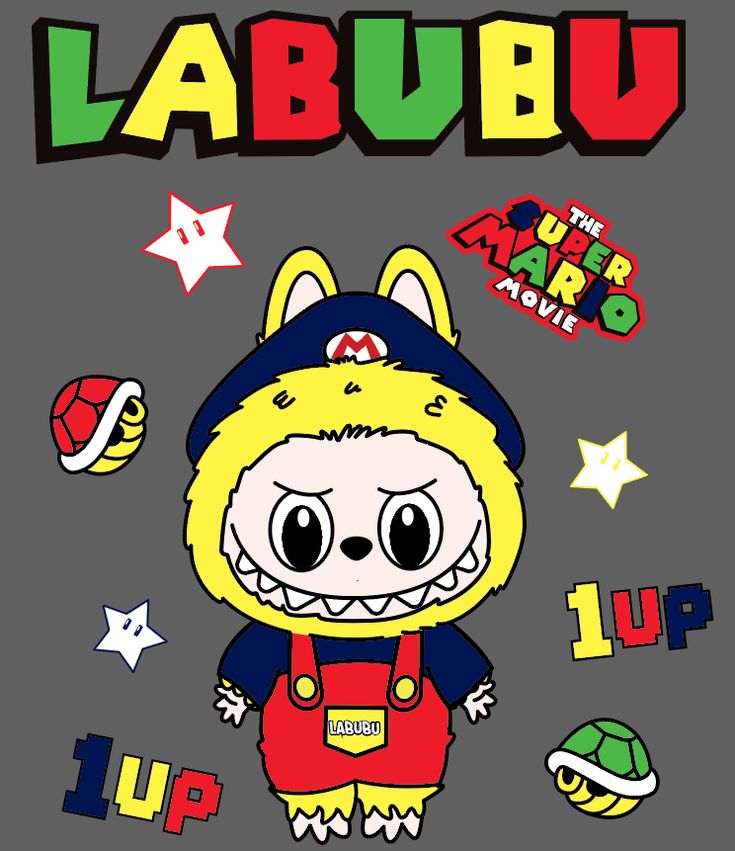


In recent years, a mischievous, fuzzy little monster named Labubu has taken the world by storm, becoming the darling of the global pop-toy scene. Created by Hong Kong artist Kasing Lung and propelled by Pop Mart, Labubu has sparked a consumption frenzy, giving rise to what can be called the “Labubu Economic Effect”—a phenomenon impacting economies, cultures, and social dynamics worldwide. How did Labubu evolve from a niche blind-box figure to a global sensation? What does its rise reveal about contemporary consumer culture? Let’s dive in
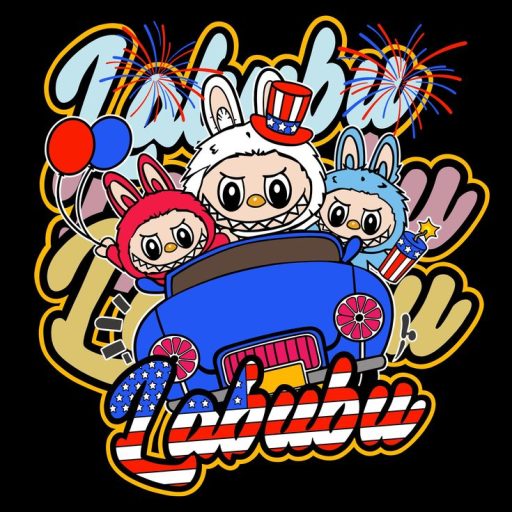
1. Labubu’s Rise: From Blind Boxes to Economic Powerhouse
Labubu’s meteoric success is deeply tied to Pop Mart’s savvy blind-box marketing strategy. According to Pop Mart’s 2024 financial report, the Labubu series generated $400 million in revenue, a staggering 726% year-on-year increase, making it the company’s fastest-growing IP. This explosive growth stems from a potent mix of limited-edition releases, scarcity-driven hype, and social media amplification.
Driving Consumer Frenzy
Labubu’s blind-box model, with its randomness and coveted “hidden” figures, taps into consumers’ curiosity and collector’s instinct. From long queues at Pop Mart stores to secondary markets where rare editions fetch multiples of their original price, Labubu has demonstrated unparalleled market appeal. In China, fans go wild for hidden figures; in Thailand, Labubu was even named an official “Amazing Thailand Experience Ambassador,” indirectly boosting local tourism.
Global Economic Reach
Labubu’s charm transcends borders. From Thailand and Vietnam to Europe and the Americas, its “cute-but-naughty” aesthetic—blending playful mischief with endearing charm—has captured hearts worldwide. On platforms like TikTok, the #LabubuMakeover challenge has inspired countless users to share DIY creations, further fueling the brand’s virality. Beyond toys, Labubu has spawned a range of merchandise (apparel, accessories) and even blockchain-based LABUBU coins, showcasing the diverse potential of IP-driven economies.
2. Cultural Symbol and Social Currency: Labubu’s Soft Power
Labubu’s success goes beyond commerce—it’s a cultural phenomenon that reflects core trends in modern consumer behavior.
Nordic Myth Meets Individuality
Inspired by Nordic mythology, Labubu’s spiky teeth, furry appearance, and cheeky demeanor break away from the saccharine stereotypes of traditional toys. This “cute-with-an-edge” design resonates with Gen Z’s desire for individuality and uniqueness, transforming Labubu into a cultural symbol of self-expression.
Viral Spread Through Social Media
Labubu’s global rise owes much to social media. A photo of Thai idol Lisa with a Labubu figure sparked a frenzy, while endorsements from stars like Rihanna amplified its appeal in the West. On platforms like TikTok and Instagram, owning a rare Labubu has become a form of “social currency.” Fans build global communities by sharing collections and custom creations, turning Labubu into an emotional connector for young people worldwide.
China’s Cultural Export
As a Chinese original IP, Labubu marks a milestone in China’s pop-culture export. Once associated with low-end manufacturing, China is now redefining its global image through creative IPs like Labubu. Its success is not just a win for Pop Mart but a testament to the growing soft power of Chinese pop culture.
3. Sociological Lens: Decoding the Labubu Craze
The Labubu phenomenon sheds light on several key aspects of contemporary consumer culture:
The Rise of Emotional Value
In today’s fast-paced world, consumers increasingly seek “emotional value.” Labubu’s adorable design and the thrill of owning a rare piece provide a sense of fulfillment and belonging. Whether it’s the joy of collecting or the camaraderie of fan communities, Labubu serves as an emotional anchor for many.
The Amplification of Trends
Social media and celebrity endorsements have turned Labubu from a niche IP into a global sensation. The viral mechanics of platforms like TikTok enable trends to spread at lightning speed, offering brands a low-cost, high-impact marketing channel. Labubu’s rise exemplifies this “trend amplification” effect.
The Divide in Consumption
However, the Labubu craze has its downsides. While some fans collect out of passion, others are driven by speculative frenzy, with resellers inflating prices in secondary markets. Market analysts warn that this short-term hype could lead to a bubble, potentially undermining Labubu’s long-term cultural value.
4. Challenges and Future: Sustaining the Labubu Economy
Despite its remarkable impact, the Labubu economic effect faces challenges that could shape its longevity:
- Market Bubble Risk: The reliance on limited releases and reseller hype risks overheating the market. Sustaining consumer interest will require continuous innovation.
- Counterfeits and Market Chaos: The global frenzy has led to a surge in counterfeit products and chaotic buying scenes, threatening brand trust and consumer experience.
- Cultural Depth Challenge: To remain relevant, Labubu must evolve beyond trend-driven appeal and build deeper cultural resonance through storytelling and innovation.
Looking ahead, Pop Mart can sustain Labubu’s momentum by:
- Balancing Global and Local Appeal: Region-specific limited editions that incorporate local cultural elements could deepen fan engagement.
- Market Regulation: Strengthening intellectual property protections and cracking down on counterfeits will enhance consumer trust.
- Cultural Enrichment: Collaborations in animation, gaming, or social initiatives could imbue Labubu with greater cultural significance.
5. Conclusion: Lessons from Labubu
The Labubu economic effect is a masterclass in blending consumer trends, cultural export, and digital amplification. It showcases the global potential of Chinese pop-culture IPs and offers valuable lessons for brands navigating the digital age. However, sustaining this phenomenon requires vigilance against market bubbles and a commitment to cultural depth.
Labubu’s story proves that a quirky little monster can spark a massive economic and cultural impact. It’s not just a toy—it’s a symbol of Gen Z’s passions and China’s rising creative influence. Do you have a Labubu on your shelf? Share your story in the comments!
 Labubu Doll Hub | Your Guide to Cute Monster Toys & Blind Boxes
發佈留言